
For property managers, electrical safety in London properties is a legal responsibility. One of the most important tools for ensuring compliance and protecting tenants is the Electrical Installation Condition Report (EICR).
If you manage residential or commercial properties in London, understanding what an EICR is, how the process works, and your legal obligations can help you avoid penalties, reduce risk, and maintain safe buildings.
This guide explains everything property managers in London need to know about EICRs.
What Is an EICR?
An Electrical Installation Condition Report (EICR) is a formal document produced after an inspection and testing of a property’s fixed electrical installations.
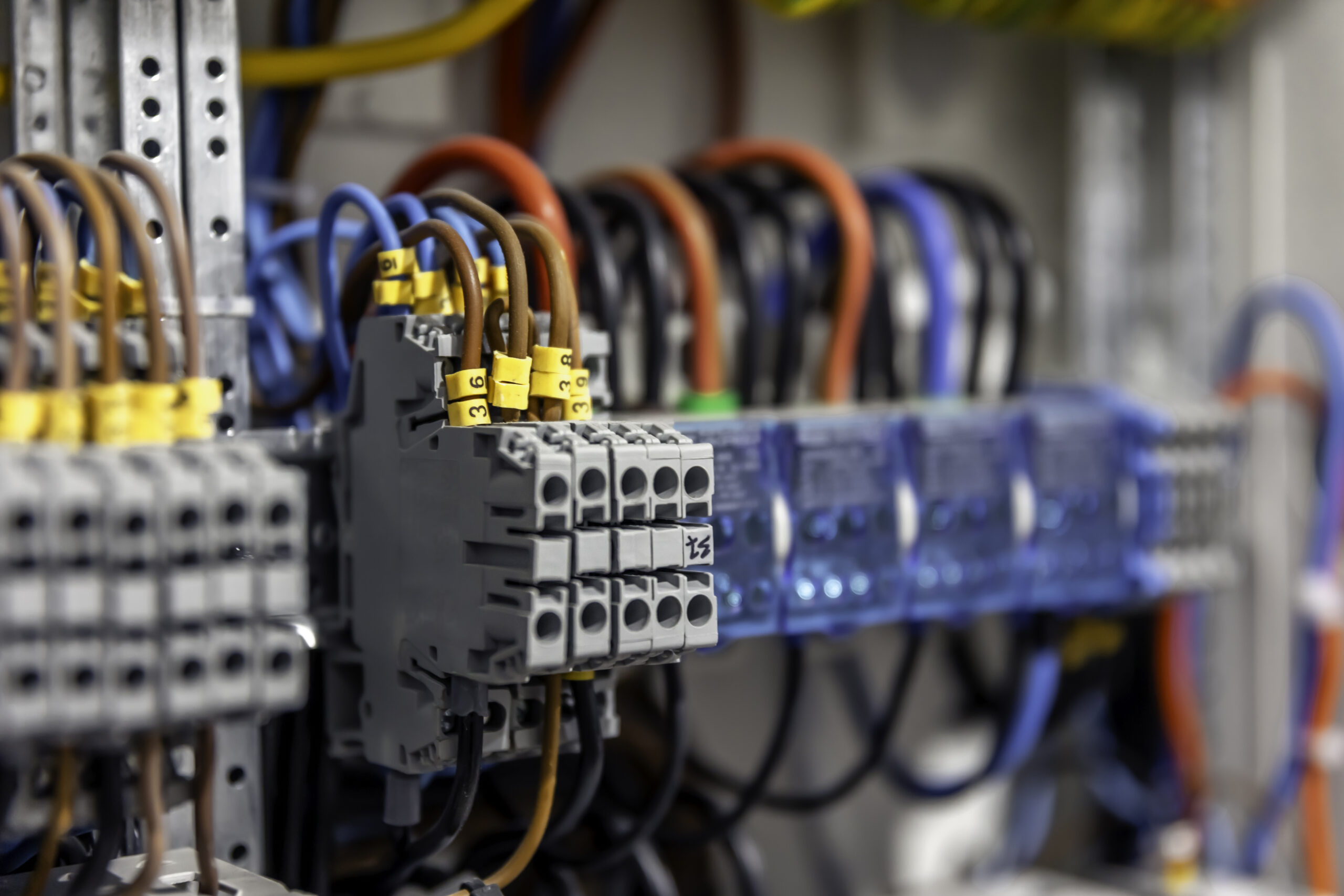
It assesses the safety and condition of electrical wiring and systems in residential or commercial properties, including:
- Fuse boards and consumer units
- Wiring and circuits
- Sockets, switches, and lighting
- Earthing and bonding
The report identifies:
- Potential electrical hazards
- Deterioration or damage
- Non-compliance with current electrical safety standards
Note: An EICR does not cover portable appliances. These require separate PAT testing.
Why EICRs Are Essential for Property Managers in London
Electrical faults are a leading cause of fires in UK properties. An up-to-date EICR for London properties helps property managers:
- Protect tenants, staff, and visitors
- Demonstrate compliance with UK electrical safety regulations
- Reduce costly emergency repairs
- Provide documented evidence of electrical safety
- Avoid fines and enforcement action
For landlords and managing agents, EICRs are a legal requirement for most rented properties in England.
Legal Requirements and Compliance for Property Managers
Residential Rental Properties
Under the Electrical Safety Standards in the Private Rented Sector (England) Regulations 2020:
- An EICR must be carried out at least every 5 years
- A copy must be provided to tenants
- Urgent remedial work must be completed within 28 days
Local authorities in London can issue fines of up to £30,000 for non-compliance.
Commercial Properties
Property managers also have a duty of care under the Electricity at Work Regulations 1989 and the Health and Safety at Work Act.
Most commercial insurers and authorities expect EICRs every 5 years, or more frequently for high-risk environments.
The EICR Inspection Process for London Properties
An EICR inspection in London is carried out by a qualified, licensed electrician and usually involves:
- Visual inspection of electrical installations
- Testing circuits for safety and performance
- Identifying defects, wear, or non-compliance
- Classifying issues using standard codes
- Issuing a detailed report with recommendations
Larger properties may require phased inspections to minimise disruption.
Understanding EICR Codes
EICRs use classification codes to highlight issues:
- C1 – Danger Present: Immediate risk, urgent action required
- C2 – Potentially Dangerous: Needs remedial work
- C3 – Improvement Recommended: Upgrade suggested but not unsafe
- FI – Further Investigation Required: Additional checks needed
Reports with C1, C2, or FI codes are classed as unsatisfactory and require corrective action. Your electrical contractor will explain any issues in detail and help you identify the correct solutions.
What Property Managers Should Do After Receiving an EICR
After receiving an EICR, property managers should:
- Review findings and risks
- Arrange remedial works for all C1, C2, or FI issues
- Keep records of completed works and certificates
- Provide copies to tenants, landlords, or stakeholders
- Schedule the next inspection before the expiry date
Proactive management reduces risk and ensures ongoing compliance.
Choosing the Right Electrical Contractor in London
For reliable EICR testing, property managers should work with contractors who are:
- Fully qualified and experienced
- NICEIC-approved or similarly accredited
- Familiar with residential and commercial electrical compliance
- Able to carry out remedial works efficiently
At M7 London, we provide comprehensive EICR inspections across London, helping property managers ensure safe, compliant properties with minimal disruption. Click here for more reasons on why you should choose M7 London.
EICR reports are essential for electrical safety in London properties. For property managers, understanding the report, inspection process, and legal responsibilities can save time, money, and risk.
If your property is due for an EICR, arranging an inspection sooner rather than later is the safest choice. Get in touch today and find out how M7 London can make this process smooth and simple.